
Are you looking for exciting investment opportunities beyond the traditional stock market? Do you dream of investing in high-growth companies before they become household names? Then you might be interested in the world of unlisted shares in India. This guide will walk you through what they are, why they’re gaining popularity, and how you can wisely navigate this unique market.
What Are Unlisted Shares?
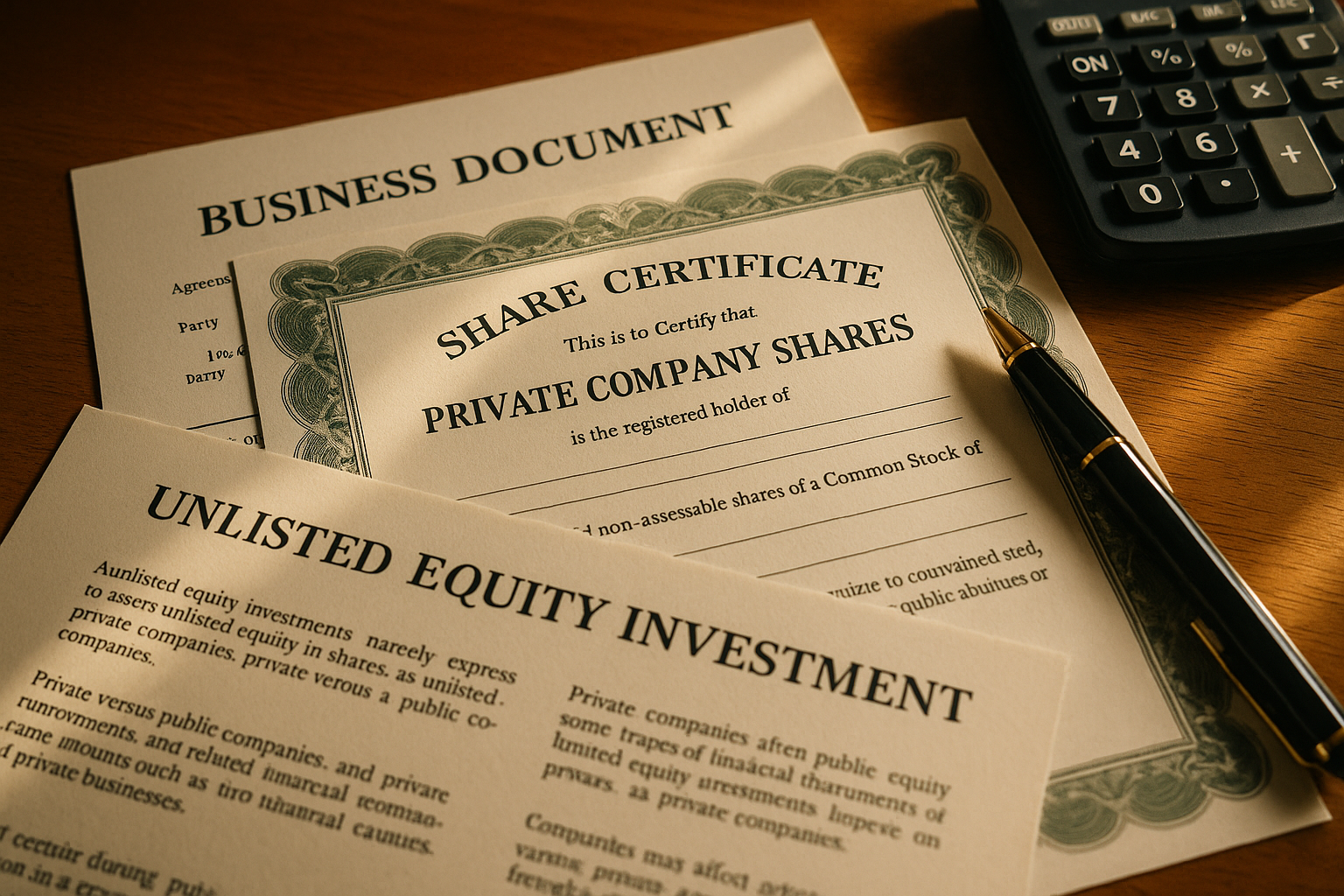
Simply put, unlisted shares are the stocks of companies that are not traded on a public stock exchange like the NSE or BSE. These are private company shares, held by a smaller group of investors, founders, and employees. They can belong to startups, well-established but privately held businesses, or even large companies planning an Initial Public Offering (IPO) in the future.Think of them as early access passes to potentially fast-growing ventures. While listed shares are bought and sold openly, unlisted shares change hands through private transactions. This market offers a different kind of opportunity for investors.

Why Consider Investing in Private Company Shares?
Investing in unlisted shares comes with several compelling benefits, especially for those with a long-term vision.
- High Growth Potential: You get to invest in companies during their early or growth stages. If the company performs well and eventually lists on an exchange, your investment could see significant appreciation.
- Early Access: This market allows you to become a stakeholder in promising businesses years before their IPO. This was the route many took to invest in companies like NSE or Tata Technologies before their public listings, often yielding substantial returns.
- Portfolio Diversification: Unlisted equities can offer a way to diversify your investment portfolio. They can provide exposure to sectors and growth stories not yet available in the public markets.
- Potential for Significant Returns: The success stories of companies going from unlisted to highly valued public entities are a major draw. Investors who bought into these firms early often reap handsome rewards.
However, it’s crucial to understand that these benefits come hand-in-hand with certain risks, which we will discuss next.
Understanding Risks When Investing in Unlisted Shares in India
While attractive, the unlisted market is not without its challenges. Being aware of these risks is vital for any investor.
- Liquidity Risk: This is perhaps the biggest challenge. Unlike listed shares, which can be bought or sold instantly, finding a buyer for your unlisted shares can take time. There isn’t an active, public market for these stocks.
- Information Asymmetry: Publicly listed companies regularly disclose their financial results and operations. Unlisted companies have fewer reporting obligations, meaning investors might have less access to crucial performance data.
- Valuation Challenges: Determining a fair price for private company shares can be tricky. Without public trading, prices are often negotiated, and standard valuation models might be harder to apply.
- Fraud and Counterparty Risk: The unlisted market is less regulated than the public stock market. This means there’s a higher risk of scams or issues with the seller/broker if you don’t use a reputable platform.
- No Guaranteed Exit: There is no guarantee an unlisted company will ever go public. Your investment might remain private indefinitely, limiting your exit options.
How to Buy and Sell Unlisted Shares in India
The process of buying and selling unlisted shares differs significantly from trading on a stock exchange. Here’s a general overview:
- Find a Reputable Platform or Broker: Since there’s no central exchange, you typically need to go through specialized online platforms or brokers who deal in these secondary market shares. They connect buyers and sellers. When considering platforms to buy and sell unlisted shares, reputable providers like Dhan Kirti offer curated access and guidance.
- Identify Investment Opportunities: These platforms will list available unlisted shares. You can research companies based on their business, financials (if available), and potential.
- Due Diligence: Before investing, conduct thorough research. Ask for financial statements, company presentations, and any available news or analyst reports.
- Negotiate Price: Prices for unlisted shares are often negotiable between the buyer and seller. Your broker or platform can assist in this process.
- Open a Demat Account: Like listed shares, unlisted shares are held in a demat account. Ensure your existing demat account supports the transfer of unlisted securities, or open one that does.
- Execute the Transaction: Once the price is agreed upon, funds are transferred, and the shares are moved from the seller’s demat account to yours. This usually involves paperwork, including a share transfer deed.
Selling follows a similar path in reverse, finding a buyer through a platform or broker.
Essential Due Diligence for Unlisted Investments
Given the risks, careful research is paramount. Here’s a checklist for due diligence:
- Understand the Business: What does the company do? What is its market position, competitive advantage, and future growth potential?
- Financial Health: Request the latest audited financial statements. Look at revenue growth, profitability, debt levels, and cash flow.
- Management Team: Research the founders and key management. What is their experience and track record?
- Cap Table and Investor Base: Understand who else has invested in the company (Venture Capital firms, other prominent investors). This can be a sign of credibility.
- Legal and Regulatory Checks: Ensure there are no major legal disputes or regulatory hurdles.
- Platform/Broker Credibility: Verify the reputation and regulatory standing of the platform or broker you are using. Check for reviews and past client experiences.
Navigating Pricing and Valuation
Valuing unlisted shares is more art than science. Prices are often influenced by:
- Recent Funding Rounds: If the company recently raised capital from institutional investors, that valuation provides a benchmark.
- Market Demand: Popular companies, especially those nearing an IPO, often command a premium, sometimes referred to as a “grey market premium.”
- Peer Group Analysis: Comparing the company to similar listed businesses can offer insights, though direct comparisons are challenging.
- Negotiation: Ultimately, the final price is often a result of negotiation between buyer and seller.
Always question the price and ensure it aligns with your research and risk appetite.
Tax Implications of Unlisted Shares
Understanding the tax rules for capital gains on unlisted shares is crucial for Indian investors.
- Short-Term Capital Gains (STCG): If you sell unlisted shares within 24 months of purchase, the gains are added to your total income and taxed at your applicable income tax slab rate.
- Long-Term Capital Gains (LTCG): If you sell after holding for more than 24 months, the gains are subject to a 20% tax rate with the benefit of indexation. Indexation adjusts your purchase price for inflation, reducing your taxable gain.
- Transfer Duty/Stamp Duty: There might be stamp duty implications on the transfer of physical shares, though electronic transfers are simpler.
It’s always advisable to consult a tax advisor for personalized guidance, especially concerning complex situations like ESOPs (Employee Stock Ownership Plans).
The Regulatory Landscape in India
The market for unlisted shares in India is evolving. While public markets are strictly regulated by SEBI (Securities and Exchange Board of India), the unlisted space has fewer direct regulations. However, SEBI is increasingly looking into this market to enhance transparency and investor protection. The Companies Act, 2013, also governs aspects of private company shares. Always stay updated on any new guidelines or rules that may impact your investments.
Exit Strategies for Your Investment
Before you invest, consider how you might eventually exit.
- IPO: The most sought-after exit is when the company goes public. This provides immediate liquidity as your unlisted shares convert to listed ones.
- Secondary Market Sale: You can sell your shares to another investor through an unlisted shares platform or broker.
- Buyback or M&A: Sometimes, the company itself might buy back shares, or another company might acquire it, leading to a payout for shareholders.
Remember, exits in the unlisted space can take time and are not guaranteed.
Investing in unlisted shares in India offers a unique pathway to potential high returns. However, it demands thorough research, a keen understanding of risks, and a long-term investment horizon. By approaching this market with caution and diligence, you can potentially unlock significant value.
FAQs
What is the minimum investment for unlisted shares?
The minimum investment for unlisted shares varies significantly. It depends on the company, its valuation, and the specific lot size being offered by sellers or platforms. It can range from a few thousand rupees to several lakhs.
How long does it take to sell unlisted shares?
Selling unlisted shares can take anywhere from a few days to several weeks or even months. Unlike listed shares, there isn’t an instant buyer. The timeline depends on market demand for that specific company’s shares and the efficiency of the platform or broker facilitating the sale.
Are unlisted shares safe to invest in?
Unlisted shares carry higher risks than listed shares due to lower liquidity, less public information, and fewer regulatory oversight. While not inherently “unsafe,” they require more thorough due diligence and are suitable for investors with a higher risk tolerance who understand these unique challenges.
What happens if a company never goes public?
If an unlisted company never goes public, your shares will remain private. Your exit options would then be limited to finding another buyer in the secondary market, participating in any company buybacks, or benefiting from a potential merger or acquisition. Your investment might stay illiquid for a long time.
How are unlisted shares different from listed shares?
The primary difference is where they are traded. Listed shares are bought and sold on public stock exchanges (like NSE or BSE), offering high liquidity and transparency. Unlisted shares are privately held and traded directly between investors, usually through brokers or specialized platforms, resulting in lower liquidity and less public information.