
The world of investments can feel like a maze, full of paths leading to different opportunities. One such path, increasingly popular among Indian investors, is investing in unlisted shares. These are shares of companies not yet trading on public stock exchanges like NSE or BSE. They offer a unique chance to get in early on potentially high-growth businesses.But like any investment, unlisted shares come with their own set of upsides and downsides. It’s crucial for you, as an investor, to understand both the exciting rewards and the significant risks involved. This guide will help you navigate this lesser-known investment avenue.
What Exactly Are Unlisted Shares?
Simply put, unlisted shares belong to private companies. These companies have not yet gone through an “Initial Public Offering” (IPO). An IPO is when a private company first sells its shares to the public on a stock exchange. Until that happens, their shares are considered “unlisted.”These shares trade in a private market. This means you won’t find their prices flashing on your daily stock market app. Instead, they are bought and sold directly between individuals or through specialized brokers and platforms. Many companies looking to grow quickly often remain unlisted for years. They raise money from private investors before deciding to go public.
The Exciting Rewards of Unlisted Share Investment
Many investors are drawn to unlisted shares for their potential to deliver substantial returns. Here are some key benefits:
1. Potential for High Returns: Imagine investing in a company like Infosys or Reliance Industries when they were just starting. Unlisted shares offer that early-stage opportunity. If a company does well and eventually goes for an IPO, the value of your shares can multiply many times over.
2. Early Access to Growth Stories: You get to invest in future “unicorns” – companies valued at over $1 billion – before the general public. This allows you to participate in their growth journey from an earlier stage.
3. Portfolio Diversification: Adding unlisted shares to your portfolio can provide diversification. They often behave differently from listed stocks, which can balance out market fluctuations in your overall investments. It’s a way to spread your risks.
4. Real-World Examples: Companies like NSE (National Stock Exchange) and Reliance Retail have seen their unlisted shares trade at significant premiums over the years, rewarding early investors handsomely. These stories highlight the potential of private company shares.
Understanding the Risks of Investing in Unlisted Shares in India
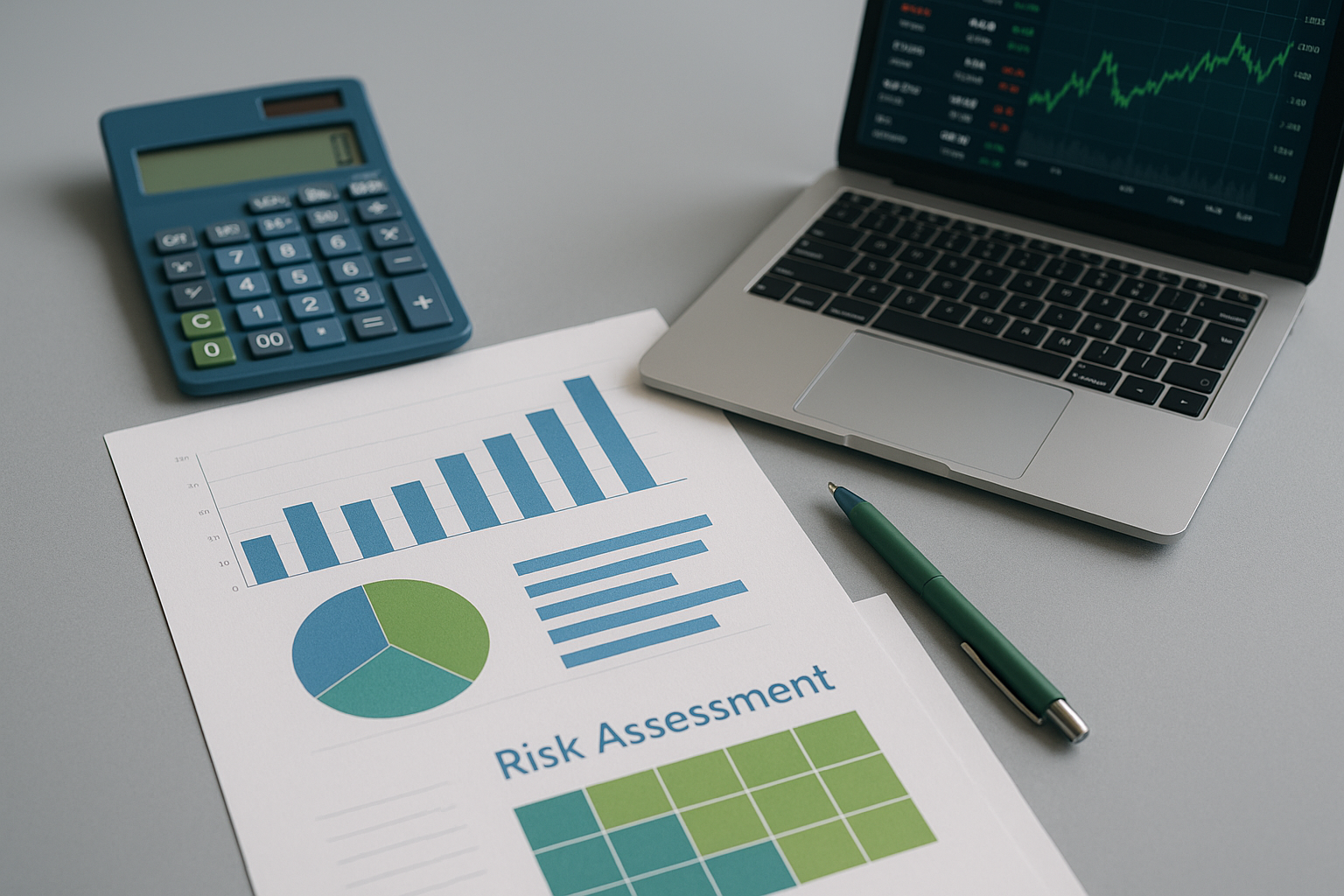
While the rewards are tempting, it’s vital to be aware of the inherent risks. These shares are not for everyone, especially those with a low-risk appetite.
Liquidity Risk: The Challenge of Selling
The biggest risk with unlisted shares is “liquidity.” This means how easily you can convert your investment back into cash. Unlike listed shares, which you can sell anytime on an exchange, finding a buyer for unlisted shares can be difficult and time-consuming. You might not be able to sell when you want to, or at the price you desire. This lack of a ready market means your money could be tied up for a very long time.
Valuation Risk: What’s the Real Price?
With no public market, there’s no daily price to tell you what an unlisted share is worth. Valuing these shares is complex. It relies on financial reports, market comparisons, and future projections, which can be subjective. You might end up paying more than the actual worth of the company if you’re not careful. This “valuation risk” means it’s hard to know if you’re getting a fair deal.
Information & Transparency Risk: Limited Data
Listed companies must regularly disclose a lot of information to the public and regulators. Unlisted companies, however, have fewer reporting obligations. This means you might have limited access to their financial performance, management changes, or future plans. This “information asymmetry” makes it harder to do thorough research and make informed decisions.
Regulatory & Fraud Risk: Staying Safe
The unlisted market operates with less regulatory oversight compared to public exchanges. While SEBI (Securities and Exchange Board of India) has guidelines, the secondary market for unlisted shares can sometimes be less transparent. This can expose investors to potential scams, misrepresentation, or fraudulent activities. It is essential to deal with trusted and reputable platforms or brokers.
Essential Steps Before You Invest
To minimise risks, thorough preparation is non-negotiable.
Doing Your Homework (Due Diligence)
Always do your research before putting your money into unlisted shares. Look into the company’s business model, its competitive landscape, and its growth prospects. Study its financial statements like profit & loss, balance sheet, and cash flow statements. Also, check the background and experience of the management team. You can verify some company details through the Ministry of Corporate Affairs (MCA) website.
Understanding the Legal & Tax Aspects
You’ll need a demat account to hold unlisted shares, just like listed ones. Make sure all legal documents are in order and verified. Understand the tax implications: profits from selling unlisted shares are subject to capital gains tax. The tax rate depends on how long you hold the shares (short-term vs. long-term). Always consult a tax advisor for personalised advice.
How to Buy and Sell Unlisted Shares in India

The process for buying and selling unlisted shares typically involves specialized platforms or brokers. These intermediaries connect buyers and sellers, helping to facilitate transactions. They handle the legal paperwork and the share transfer process.One such reliable platform is Dhan Kirti. Dhan Kirti helps Indian investors buy and sell unlisted shares efficiently and securely. They simplify the process, offering a trusted marketplace and necessary guidance. Always ensure you choose a platform that is transparent, has good reviews, and follows proper legal procedures.
Is it Right for Your Portfolio?
Investing in unlisted shares is generally suitable for investors with a high-risk tolerance and a long-term investment horizon. You should also be comfortable with illiquidity and the need for in-depth research. It’s often wise to allocate only a small portion of your overall portfolio to such high-risk, high-reward opportunities. Diversification remains key; don’t put all your eggs in one basket, especially with unlisted investments.
Conclusion: Balance High Potential with Smart Choices
Investing in unlisted shares in India offers a captivating blend of high growth potential and significant risks. The opportunity to back promising companies before they go mainstream can lead to extraordinary returns. However, the challenges of illiquidity, complex valuation, limited information, and regulatory nuances demand careful consideration.By conducting thorough due diligence, understanding the regulatory framework, and partnering with trusted platforms like Dhan Kirti, you can navigate this market more effectively. Always approach unlisted shares with an informed perspective, balancing the allure of high returns with a clear understanding of the risks involved. Make choices that align with your financial goals and risk appetite.
Frequently Asked Questions
Q1: How do I know if an unlisted share is legitimate?
Always verify the company’s details through the Ministry of Corporate Affairs (MCA) website. Check their CIN (Corporate Identification Number). Deal only with reputable brokers or platforms that have a proven track record. Ask for proper share transfer documents and ensure the shares are transferred to your demat account.
Q2: What is a “pre-IPO” share?
Pre-IPO shares are simply unlisted shares of a company that is expected to launch an Initial Public Offering (IPO) in the near future. Investors buy these shares hoping their value will jump significantly once the company gets listed on a stock exchange.
Q3: Can NRIs invest in unlisted shares in India?
Yes, Non-Resident Indians (NRIs) can invest in unlisted shares in India, but they typically need to adhere to specific Reserve Bank of India (RBI) guidelines. This often involves opening an NRO or NRE account for transactions. It’s best to consult with a financial advisor specializing in NRI investments.
Q4: What are the tax implications of selling unlisted shares?
Profits from selling unlisted shares are subject to capital gains tax. If you sell them within 24 months, it’s considered a short-term capital gain and is taxed at your income slab rate. If held for more than 24 months, it’s a long-term capital gain, taxed at 20% with indexation benefits. Always consult a tax expert for accurate guidance.
Q5: How long should I typically hold unlisted shares?
Unlisted shares are generally considered a long-term investment, often held for several years. This is because their liquidity is low, and investors usually wait for an IPO, a buyback, or a strategic sale for a significant exit opportunity. A holding period of 3-5 years or even longer is common.