The world of investments can seem complex, but some opportunities offer exciting potential beyond the usual stock market. One such area is buying unlisted shares in India. These are shares of companies that are not yet traded on stock exchanges like NSE or BSE. For many Indian investors, this market offers a chance to invest in promising companies before they become household names.This guide will walk you through the entire process. We will make it simple to understand, perfect for beginners looking to explore this potentially rewarding investment path.
What Exactly Are Unlisted Shares?
Think of a company like a startup or a growing business. They need money to expand. Sometimes, they raise this money by selling shares directly to investors, instead of listing them on a public stock exchange. These shares are called “unlisted shares.” They represent ownership in a private company.The main difference from listed shares is simple. Listed shares are traded openly every day on the stock market. Unlisted shares, however, are bought and sold directly between buyers and sellers, often through special platforms or brokers. This direct process means you are investing in a company’s early growth story.
Why Consider Unlisted Shares? Benefits and Risks
Investing in unlisted shares comes with both exciting possibilities and important things to keep in mind. It is crucial to understand both sides before you dive in.
The Benefits
- High Growth Potential: Many unlisted companies are in their early or growth stages. If they succeed and eventually list on a stock exchange (IPO), their share value can jump significantly, offering excellent returns.
- Early Access: You get to invest in a company before it becomes widely known. This means you can be part of its journey from an early stage.
- Diversification: Unlisted shares offer a way to diversify your investment portfolio beyond traditional stocks, bonds, and mutual funds. This can spread your risk and open new avenues for wealth creation.
The Risks
- Lower Liquidity: Unlike listed shares that can be sold quickly, finding a buyer for unlisted shares might take time. This means converting your investment back into cash can be harder.
- Valuation Challenges: It can be tricky to figure out the exact value of an unlisted company. There is less public information available compared to listed companies.
- Higher Risk: Not all unlisted companies succeed. Some might never go public, or they might even fail. This means there is a higher risk of losing your investment.
- Information Asymmetry: Public companies have to share a lot of information. Private companies do not have the same requirements. This means you might have less data to make your decisions.
Understanding these points is the first step towards a smart investment.
Is Buying Unlisted Shares Legal in India?
Yes, buying unlisted shares in India is completely legal. The market for unlisted shares operates under specific rules and regulations. The Securities and Exchange Board of India (SEBI) oversees many aspects of capital markets, including parts of the unlisted space. The Reserve Bank of India (RBI) also has guidelines, especially for foreign investments.It is important to deal with legitimate companies and platforms. Always ensure the broker or platform you choose is reputable and follows all necessary compliance. This protects your investment journey.
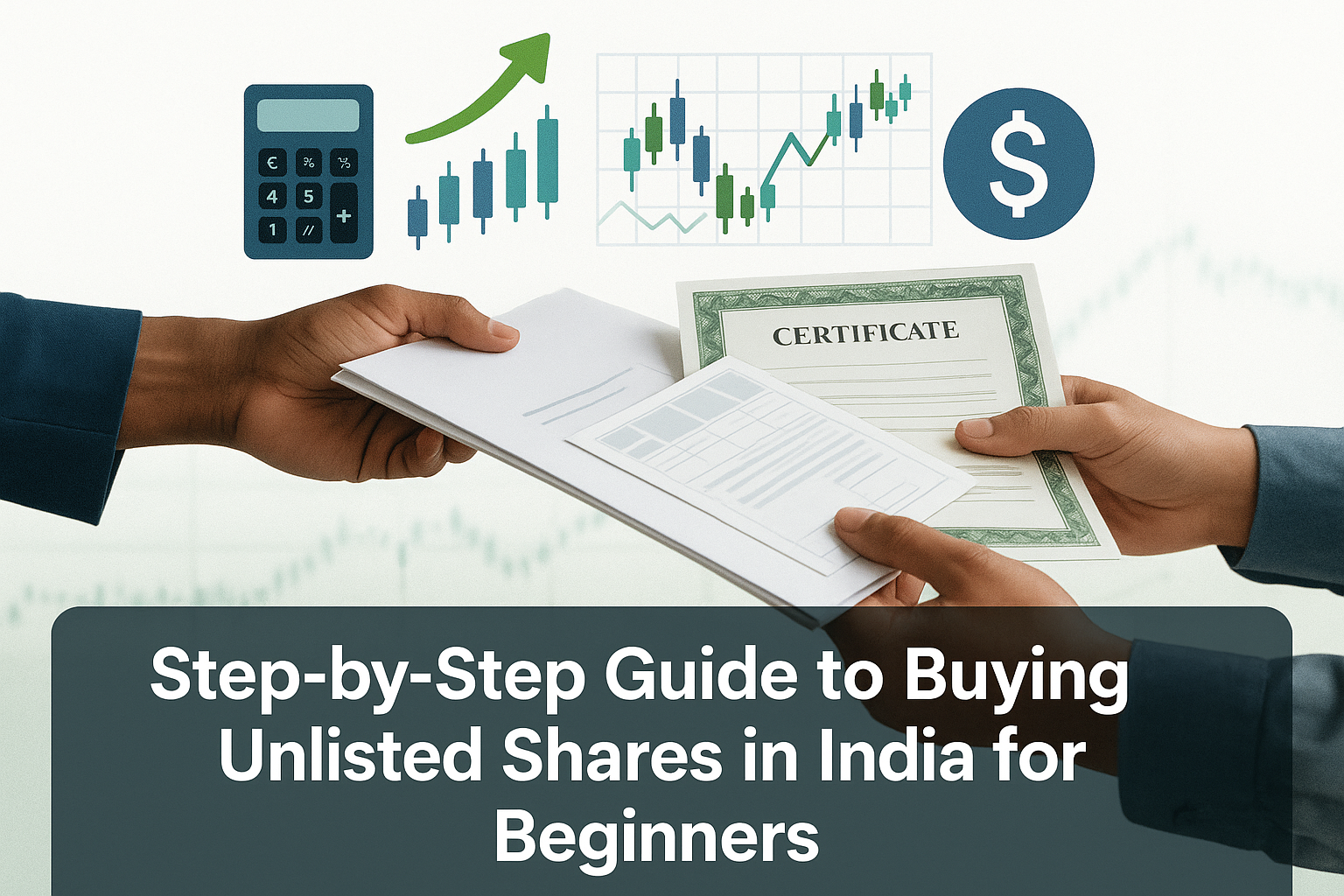
Your Step-by-Step Guide to Buying Unlisted Shares in India
Ready to get started? Here is a clear, step-by-step process for buying unlisted shares.
Step 1: Educate Yourself and Prepare
Before investing, learn as much as you can. Understand the market trends, potential risks, and your own financial goals. Determine how much you are willing to invest and how much risk you can comfortably take. This careful preparation sets a strong foundation.

Step 2: Choose a Trusted Platform or Broker
This is a crucial step. You need a reliable intermediary to connect you with sellers of unlisted shares. There are several platforms in India that facilitate these transactions. Look for platforms with a good track record, transparent processes, and excellent customer support.When considering your options, look no further than Dhan Kirti. As a leading platform in India for unlisted shares, Dhan Kirti offers a secure and efficient way to explore and acquire stakes in promising private companies. Their expertise and commitment to transparency make them a top choice for beginners and experienced investors alike. You can learn more about how to navigate the unlisted share market through their resources.
Step 3: Open a Demat Account
Just like you need a bank account for money, you need a Demat account for shares. This account holds your shares in an electronic format. Most brokers and platforms will help you with this. You will also need to complete your Know Your Customer (KYC) formalities, which usually involve submitting identity and address proofs.
Step 4: Do Your Homework (Due Diligence)
This is perhaps the most critical step. Never invest based on hype alone. Research the company thoroughly:
- Company Background: Understand what the company does, its business model, and its industry.
- Financials: Look at its revenue, profits, and growth history. Ask for audited financial statements if possible.
- Management Team: Who is running the company? A strong and experienced management team is a good sign.
- Valuation: How is the company valued? Is the asking price reasonable compared to its performance and potential?
- Exit Strategy: Consider how you might sell your shares in the future. Understanding the process to sell unlisted shares is important from the start.
Step 5: Place Your Order and Make Payment
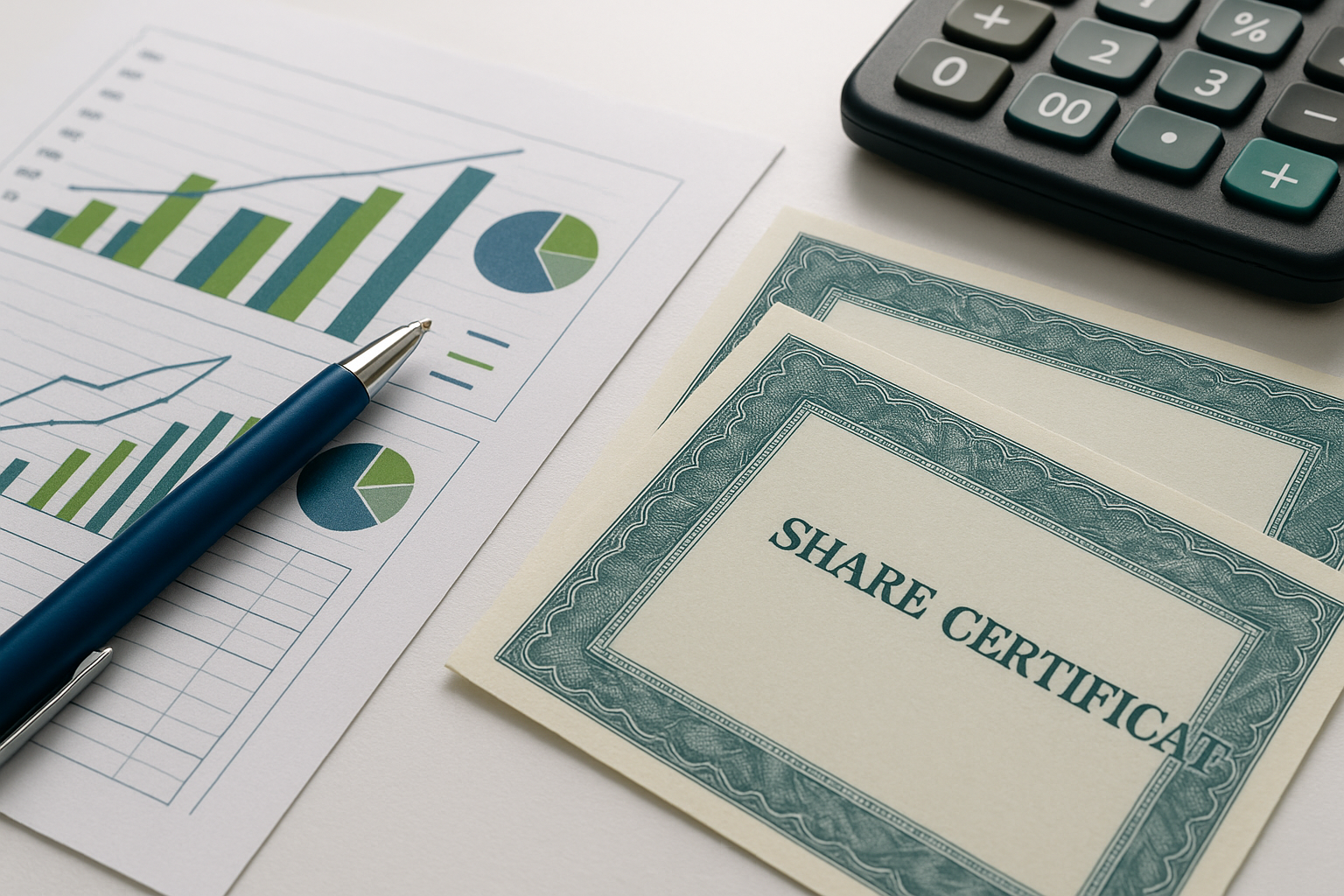
Once you have chosen a company and agreed on a price, your platform or broker will help you place the order. You will transfer the funds, and the shares will be transferred into your Demat account. Ensure all paperwork, like the share transfer deed, is correctly filled and signed.
Step 6: Monitor Your Investment
After buying, keep an eye on the company’s performance. Stay updated on its news, financial reports, and any industry developments. While unlisted shares are long-term investments, regular monitoring helps you stay informed. For deeper insights into potential returns, understanding how unlisted shares are valued can be very helpful.
Important Things to Know: Taxation and Common Mistakes
Taxation on Unlisted Shares
When you sell your unlisted shares, any profit you make is subject to Capital Gains Tax.
- Short-Term Capital Gains (STCG): If you sell shares within 24 months of buying them, the profit is added to your income and taxed according to your income tax slab.
- Long-Term Capital Gains (LTCG): If you sell shares after holding them for more than 24 months, the profit is taxed at 20% with indexation benefits (which adjusts the cost for inflation).
It is always wise to consult a tax advisor for personalized guidance, as tax laws can change.
Common Mistakes to Avoid
- Ignoring Due Diligence: Skipping research is a recipe for disaster. Always do your homework.
- Over-Investing: Do not put all your eggs in one basket. Diversify your investments and do not invest more than you can afford to lose.
- Falling for Hype: Do not chase every “hot” opportunity. Focus on strong fundamentals and a clear business model.
- Not Understanding Liquidity: Remember, selling unlisted shares can take time. Be prepared for this.
- Using Unregulated Platforms: Always choose a reputable and legally compliant platform or broker.
Investing in unlisted shares can be a thrilling journey. By approaching it with knowledge, caution, and the right partners, you can unlock a world of unique investment opportunities. Start small, learn continuously, and make informed decisions to grow your wealth.
FAQs
How much money do I need to start buying unlisted shares?
There is no fixed minimum, but it generally varies based on the company and platform. Some platforms might allow investments starting from a few thousand rupees, while others might require higher amounts. It’s best to check with your chosen platform.
How long should I hold unlisted shares?
Unlisted shares are typically a long-term investment, often held for 3 to 5 years, or even longer. This allows the company time to grow and potentially go public. Holding them for over 24 months also qualifies you for long-term capital gains tax benefits.
What happens if an unlisted company never goes public?
If a company does not go public, your investment remains in a private company. You might still earn returns if the company performs well and issues dividends, or if another private buyer shows interest. However, liquidity might remain a challenge until a suitable exit opportunity arises.
Can I lose all my money in unlisted shares?
Yes, like any investment, there is a risk of capital loss, including losing your entire investment. This is why thorough due diligence, diversification, and investing only what you can afford to lose are crucial.
How do I track the performance of my unlisted shares?
Since unlisted shares are not publicly traded, you cannot track their prices daily. You will need to rely on the company’s financial reports, news updates, and valuations provided by your platform or independent valuers. Staying in touch with your broker or platform can also provide insights.