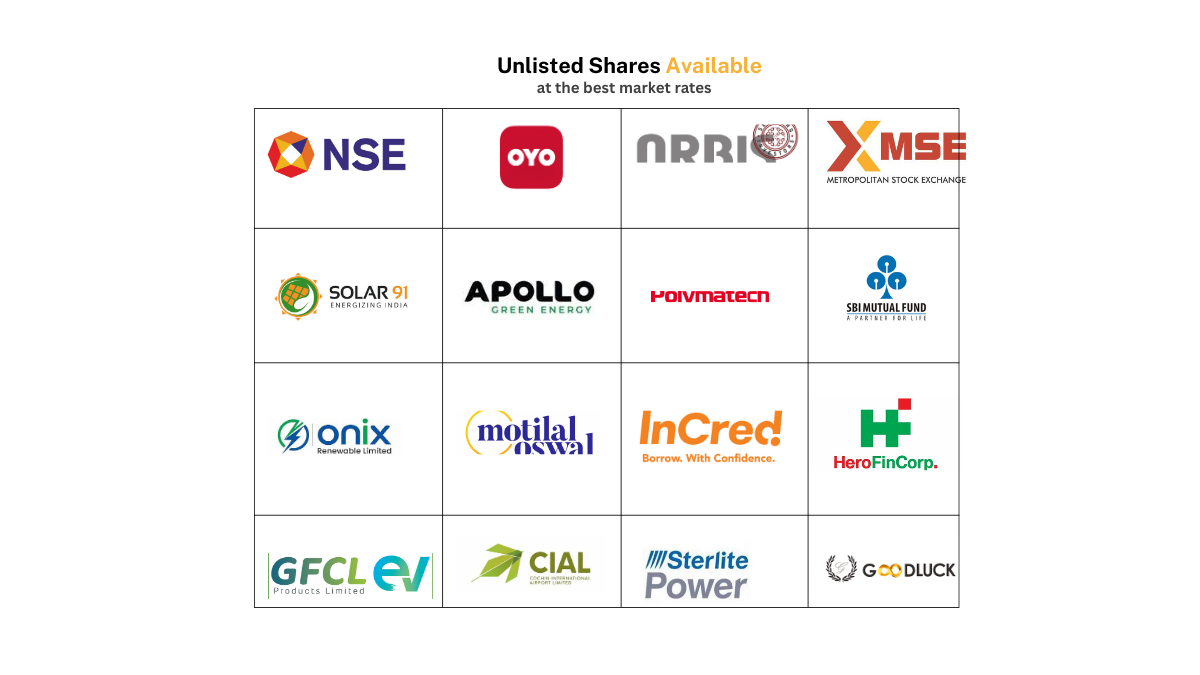

In the dynamic landscape of Indian investments, savvy investors are increasingly turning to unlisted shares as a vehicle for building substantial early-stage wealth. While public markets grab headlines, the unlisted securities market has emerged as a fertile ground for those seeking exceptional returns before companies hit the mainstream spotlight.
At Dhan Kirti, we’ve observed a significant shift in investment strategies among high-net-worth individuals and forward-thinking retail investors who are allocating portions of their portfolios to unlisted equities. This trend isn’t merely coincidental – it reflects a deep understanding of where extraordinary wealth creation truly begins.
Understanding the Unlisted Shares Ecosystem
Unlisted shares represent ownership in private companies that haven’t yet been listed on stock exchanges like NSE or BSE. These companies range from promising startups to well-established enterprises that have chosen to remain private for strategic reasons.
The unlisted securities market in India has grown substantially, with transaction volumes increasing by approximately 42% year-on-year according to a recent SEBI report. This growth reflects the increasing maturity and accessibility of this previously exclusive investment avenue.
What makes this market particularly attractive is its relative inefficiency compared to public markets. Information asymmetry creates opportunities for those willing to conduct thorough due diligence, allowing investors to discover hidden gems at valuations significantly below their intrinsic value.
Strategic Advantages Top Investors Leverage
India’s most successful investors approach unlisted shares with specific strategies that maximize returns while managing the inherent risks:
Early Access to High-Growth Companies
Top investors identify companies with exceptional growth trajectories before they become household names. By investing at early stages, they position themselves to capture exponential returns as these companies scale.
For instance, early investors in companies like Paytm, Zerodha, and Nykaa realized returns exceeding 1000% when these companies eventually went public. Even established private companies like HDFC Securities and NSE have delivered remarkable returns to early private investors.
Portfolio Diversification Benefits
Smart investors use unlisted shares strategically for portfolio diversification. These assets often move independently from public markets, providing a hedge against market volatility.
Recent data from CRISIL indicates that portfolios with a 15-20% allocation to unlisted equities demonstrated 23% less volatility during market corrections compared to traditional equity-only portfolios.
Arbitrage Between Private and Public Valuations
One of the most powerful strategies involves identifying companies likely to go public in the near term. The valuation differential between pre-IPO and post-listing prices creates significant arbitrage opportunities.
According to Prabhudas Lilladher Research, pre-IPO investments in companies that went public between 2020-2023 delivered average returns of 112% on listing day, substantially outperforming traditional investment options.
How Elite Investors Identify Promising Unlisted Opportunities
The approach top investors take when evaluating unlisted shares differs significantly from public market analysis:
Focus on Fundamentals Over Sentiment
Elite investors prioritize companies with strong unit economics, sustainable competitive advantages, and capable management teams. They look beyond surface-level metrics to understand the true value drivers of the business.
Recent success stories from our clients who invested in unlisted shares demonstrate how fundamental analysis pays off. Those who invested in RBL Bank’s unlisted shares before its IPO based on its strong growth metrics and management team saw their investment grow by over 300% post-listing.
Sector-Specific Approach
Top investors often develop expertise in specific sectors, allowing them to spot opportunities others miss. Currently, we’re seeing particular interest in:
- Fintech companies revolutionizing financial access
- Healthcare technology solving India-specific challenges
- Clean energy solutions targeting India’s sustainability goals
- Consumer brands capturing the growing middle class
Professional Networks and Information Access
Successful investors in unlisted securities develop strong professional networks that provide access to high-quality deal flow and insights not available to the general public. Industry connections, professional investment groups, and relationships with merchant bankers all contribute to information advantage.
Navigating the Challenges of Unlisted Investments
While the opportunity is substantial, unlisted shares come with unique challenges that top investors have learned to navigate:
Liquidity Management
Unlike listed securities, unlisted shares cannot be bought or sold instantly. Top investors address this by:
- Allocating only a portion of their portfolio to unlisted shares (typically 10-25%)
- Creating a staggered investment approach with different time horizons
- Building relationships with specialized brokers who can facilitate transactions
Due Diligence Excellence
With limited public information, rigorous due diligence becomes essential. Elite investors conduct comprehensive research including:
- Detailed analysis of company financials
- Background checks on management teams
- Assessment of competitive landscape and market potential
- Verification of regulatory compliance and potential red flags
Recent data from PRIME Database shows that companies with strong governance frameworks in their pre-IPO phase delivered 37% higher returns over a 5-year period compared to those with weaker structures.
Current Market Trends and Opportunities
The unlisted shares market in India is evolving rapidly, with several noteworthy trends emerging:
Pre-IPO Momentum
Companies in advanced stages of IPO preparation often see significant value appreciation. The current pipeline of companies planning public listings in 2024-25 presents numerous opportunities.
According to SEBI filings, over 85 companies have filed draft red herring prospectuses, creating a rich landscape for pre-IPO investors. Companies in sectors like renewable energy, specialized manufacturing, and digital consumer services are particularly well-represented.
Secondary Market Development
The ecosystem for trading unlisted shares has matured significantly, with specialized platforms and brokers facilitating transactions with greater transparency and efficiency. Transaction volumes have grown at a CAGR of 34% over the past three years according to industry estimates.
Regulatory Evolution
SEBI has been working on regulatory frameworks that provide better protection for investors in private markets while maintaining the flexibility that makes these markets attractive. Recent guidelines on pre-IPO placements and disclosures have enhanced transparency without stifling market dynamics.
How We Help Investors Access This Opportunity
At Dhan Kirti, we’ve developed robust frameworks to help our clients participate in the unlisted shares market:
- Thorough company evaluation processes that identify high-potential opportunities
- Access to a curated selection of pre-screened unlisted shares
- Transparent transaction mechanisms that protect investor interests
- Ongoing monitoring and updates on portfolio companies
- Education on market dynamics and risk management strategies
Our approach combines analytical rigor with practical market knowledge, enabling clients to make informed decisions while managing the inherent risks of unlisted investments.
The Future of Unlisted Investments in India
We believe the unlisted shares market in India stands at an inflection point, with several factors driving its continued growth:
- India’s robust startup ecosystem creating a pipeline of high-quality companies
- Increasing sophistication of private market infrastructure
- Growing investor awareness and comfort with alternative investments
- Supportive regulatory developments enhancing market transparency
According to projections from SIDBI and IFC, private market investments in India are expected to grow at 18-22% annually over the next five years, significantly outpacing public market growth rates.
FAQ: Unlisted Shares for Wealth Creation
What minimum investment is typically required for unlisted shares in India?
While the market has traditionally catered to larger investors, entry points have become more accessible. Today, quality opportunities can be accessed starting from ₹2-5 lakhs, though we typically recommend a minimum allocation of ₹10 lakhs for proper diversification across multiple unlisted investments.
How do investors realize returns from unlisted shares?
Returns typically materialize through one of three channels: when the company goes public through an IPO, through secondary market sales to other private investors, or through company buybacks and dividend distributions. The exit timeline varies from 2-7 years depending on the company’s stage and strategy.
What percentage of a portfolio should be allocated to unlisted shares?
We generally recommend that investors allocate between 10-25% of their overall portfolio to unlisted equities, depending on their risk tolerance, liquidity requirements, and overall financial goals. This allocation provides meaningful exposure while maintaining prudent diversification.
How are unlisted shares taxed in India?
For unlisted shares held for less than 24 months, gains are taxed as short-term capital gains at applicable income tax rates. Shares held for more than 24 months qualify for long-term capital gains tax at 20% with indexation benefits. We recommend consulting with a tax professional for personalized guidance.
What due diligence steps should investors take before investing in unlisted shares?
Essential due diligence includes verifying company registration and compliance status, analyzing at least 3 years of financial statements, evaluating the management team’s track record, understanding the competitive landscape, and assessing the company’s growth potential and exit opportunities.